10 Foods That Help You Stay Hydrated (It's Not Just Water)
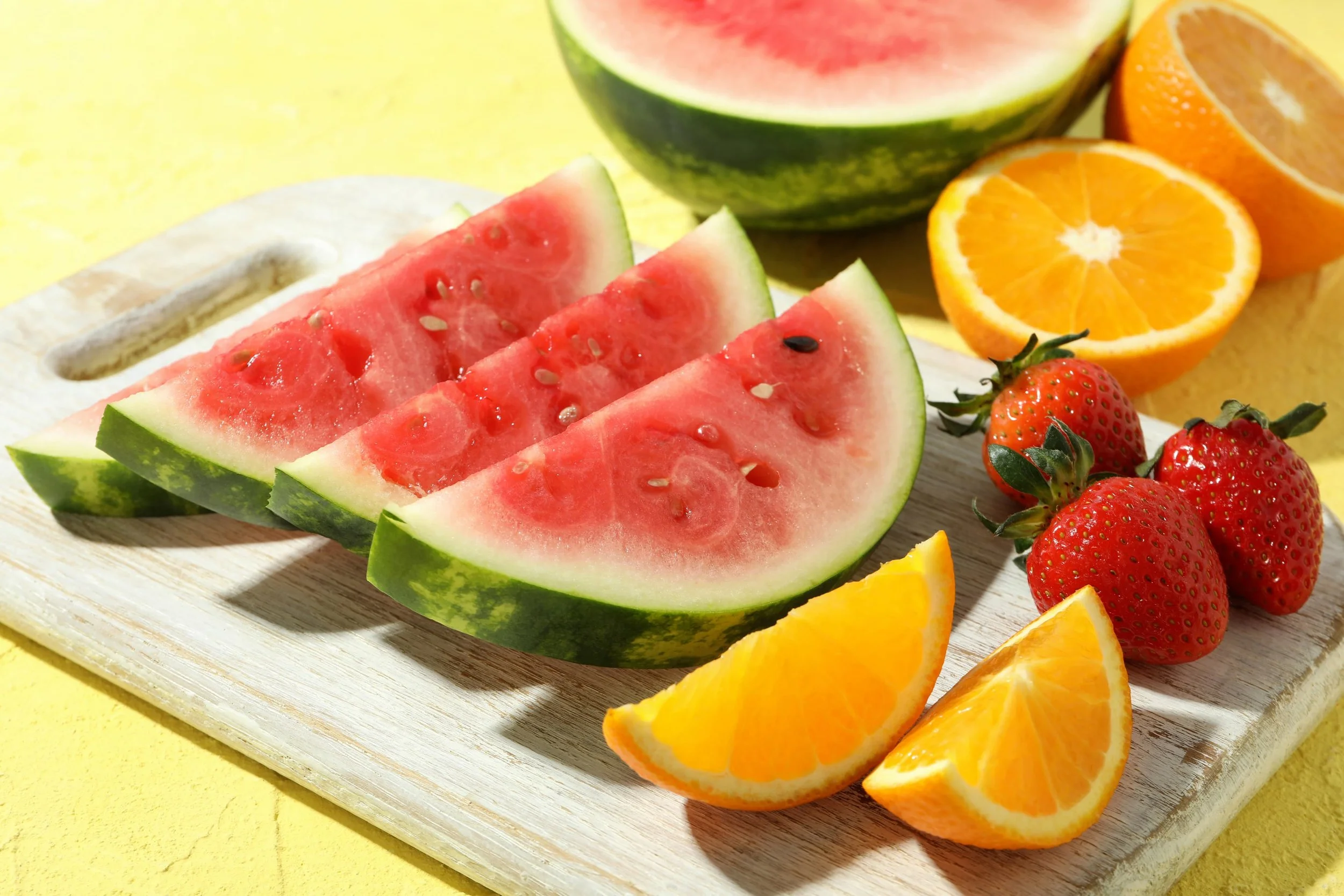
When it comes to staying hydrated, water deserves most of the credit. But here's a fun fact: about 20% of the fluids you consume each day come from the foods you eat. That means what's on your plate can be just as important as what's in your water bottle.
Many fruits and vegetables are made up of 90% water or more, making them an easy (and delicious) way to support hydration. As a bonus, they also provide vitamins, minerals, antioxidants, and fiber, things plain water can't offer.
Ready to eat your way to better hydration? Here are a few of our favorite foods that can help.
1. Watermelon
If hydration had a mascot, it would probably be watermelon.
Made up of about 92% water, this summertime favorite is incredibly refreshing and naturally sweet. It's also rich in vitamin C, vitamin A, and lycopene, a powerful antioxidant that gives watermelon its vibrant pink color.
Because it's mostly water and relatively low in calories, watermelon is an easy snack for hot days or after spending time outdoors.
Try it:
Chilled slices on a hot afternoon
Blended into smoothies
Tossed into fruit salad
Frozen into homemade popsicles
2. Cucumbers
Cucumbers are basically nature's water bottles.
They're made up of about 95% water, making them one of the most hydrating vegetables you can eat. They're also a source of vitamin K, which supports bone health, along with small amounts of potassium and magnesium.
Their crisp texture makes them satisfying without feeling heavy.
Try it:
Slice into salads
Add to wraps and sandwiches
Snack with hummus or tzatziki
Infuse your water for a refreshing twist
3. Strawberries
Sweet, juicy strawberries aren't just delicious, they're also about 91% water.
In addition to helping you stay hydrated, strawberries are loaded with vitamin C, manganese, and antioxidants that help protect your cells from everyday wear and tear.
They're one of those rare foods that feel like dessert while still packing plenty of nutrition.
Try it:
Mixed into Greek yogurt
On oatmeal
Blended into smoothies
Straight from the container (we won't judge)
4. Tomatoes
Tomatoes contain roughly 94% water, making them one of the easiest vegetables to add to your daily meals.
They're also well known for lycopene, an antioxidant that's been studied for its role in supporting heart health and protecting cells from oxidative stress.
Whether you think they're a fruit or a vegetable, they're definitely worth eating.
Try it:
Caprese salad
Fresh salsa
Sandwiches and burgers
Roasted with olive oil and herbs
5. Lettuce
Lettuce doesn't always get much attention, but it's quietly helping you stay hydrated.
Varieties like iceberg lettuce contain about 96% water, while romaine isn't far behind. Romaine also provides nutrients like folate, vitamin K, and vitamin A.
Think of every salad as another opportunity to sneak in a little extra hydration.
Try it:
Build colorful salads
Use as a wrap instead of tortillas
Add extra leaves to sandwiches
Toss into grain bowls
6. Celery
Celery has earned a reputation for being mostly water, and that's actually true.
It's about 95% water, making it another hydration superstar. It also provides fiber and small amounts of potassium and vitamin K.
Its satisfying crunch makes it easy to snack on throughout the day.
Try it:
With peanut butter
Dipped in hummus
Chopped into chicken salad
Added to soups
7. Oranges
Oranges are famous for their vitamin C, but they're also made up of about 86% water.
They're naturally juicy and contain potassium, an electrolyte that helps maintain normal fluid balance and supports healthy muscle and nerve function.
If you've ever craved an orange after exercising, your body might have been onto something.
Try it:
Peel and eat as a snack
Add to spinach salads
Blend into smoothies
Freeze the segments for a cool treat
8. Bell Peppers
Bell peppers are often overlooked when people think about hydrating foods, but they're packed with water, especially green peppers.
They also happen to be one of the best sources of vitamin C, with red bell peppers containing even more vitamin C than many citrus fruits.
Plus, they add color and crunch to almost any meal.
Try it:
Slice for dipping
Roast alongside chicken
Add to fajitas
Toss into stir-fries
9. Yogurt
Hydrating foods aren't limited to produce.
Plain yogurt contains a surprising amount of water along with protein, calcium, and beneficial bacteria that support a healthy gut microbiome.
Greek yogurt contains slightly less water than regular yogurt because it's strained, but it offers more protein.
Try it:
Top with berries and nuts
Blend into smoothies
Mix into parfaits
Use as the base for a creamy dip
10. Zucchini
Zucchini is another vegetable that's about 94% water and incredibly versatile.
It provides vitamin C, fiber, and potassium, making it an easy way to add both hydration and nutrition to your meals.
Best of all, it works in everything from pasta dishes to baked goods.
Try it:
Grill it
Roast it
Spiralize it into noodles
Bake it into muffins or bread
Bonus Hydration Helpers
While these didn't make the top 10, they're still excellent choices if you're looking to get a little more hydration throughout the day:
Cantaloupe (about 90% water)
Peaches (about 89% water)
Pineapple (about 86% water)
Grapes (about 81% water)
Broth-based soups
Cottage cheese
Easy Ways to Stay Hydrated Every Day
Eating water-rich foods is a great start, but a few simple habits can make staying hydrated even easier:
Carry a reusable water bottle so water is always within reach.
Include at least one fruit or vegetable with every meal.
Drink extra fluids when it's hot outside or you're exercising.
Don't wait until you feel thirsty, thirst is often one of the first signs you're already becoming dehydrated.
Swap processed snacks for fresh produce whenever you can.
Staying hydrated is about more than hitting your daily water goal. The foods you eat can make a meaningful contribution, too.
By filling your plate with water-rich foods like watermelon, cucumbers, strawberries, tomatoes, and leafy greens, you'll naturally increase your fluid intake while getting vitamins, minerals, fiber, and antioxidants your body needs.
So keep drinking your water, but don't overlook what's on your plate. Choosing hydrating foods is a simple, tasty way to help your body feel its best every day.
More Articles You Might Like


