
How to Practice Micro-Mindfulness Anytime, Anywhere
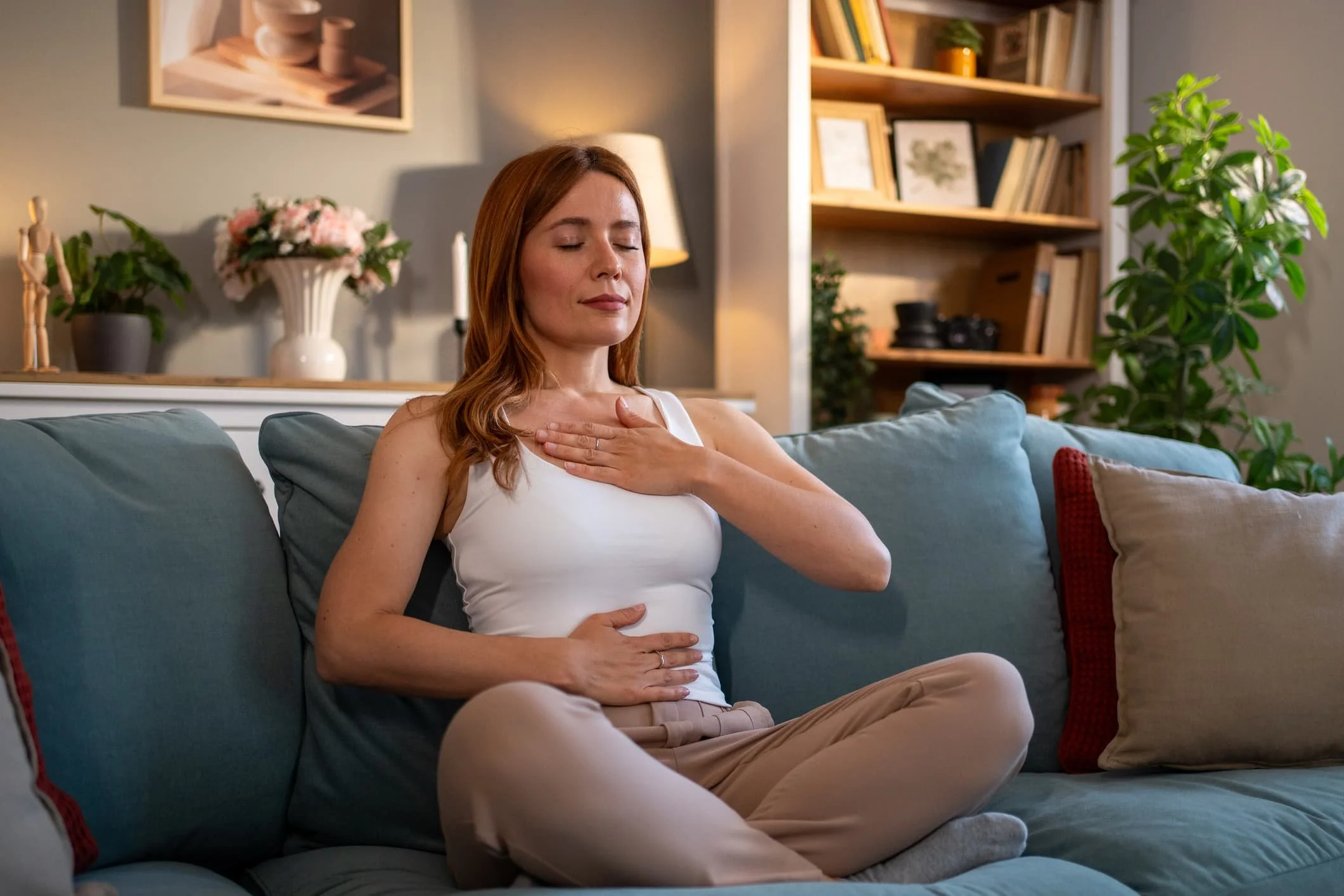
We’ve all heard the advice: slow down, be present, meditate.
But in real life—between work, errands, and everything else—who has 20 minutes to sit quietly every day?
That’s where micro-mindfulness comes in.
Micro-mindfulness is the practice of taking small, intentional moments—often just 30 seconds to a few minutes—to reset your mind and body. It’s simple, flexible, and most importantly, realistic.
The best part? You can do it anywhere.
What Is Micro-Mindfulness?
Micro-mindfulness breaks mindfulness into tiny, manageable moments rather than long sessions. Instead of carving out a big chunk of time, you weave awareness into your day.
Think of it as:
A deep breath before answering an email
Noticing your surroundings while walking
Pausing before reacting in a conversation
These small moments may seem insignificant, but they help interrupt autopilot thinking—that state where we rush through tasks without awareness. Over time, these interruptions build a stronger habit of presence and intentionality.
Why It Works
You don’t need a long meditation to benefit from mindfulness. Even brief pauses can:
Reduce stress and tension
Improve focus and clarity
Help regulate emotions
Create a sense of calm in busy moments
Micro-mindfulness works because it taps into the body’s natural ability to reset. A single intentional pause can shift your nervous system out of “fight or flight” and into a calmer, more balanced state, making it easier to think clearly and respond thoughtfully.
Easy Ways to Practice Micro-Mindfulness
Here are simple techniques you can use anytime:
1. The One-Breath Reset
Take one slow, intentional breath:
Inhale deeply through your nose
Exhale slowly through your mouth
Your breath is directly connected to your nervous system. Slowing it down sends a signal to your body that you are safe, helping to quickly reduce stress and bring your attention back to the present moment—even in the middle of a hectic day.
2. The 5-Second Pause
Before responding—to a message, a question, or a situation—pause for five seconds.
Notice:
Your thoughts
Your body
Your emotional state
Then respond, instead of reacting.
This brief pause creates space between stimulus and response. Instead of reacting impulsively, you gain the ability to choose your response more intentionally, which can improve communication and reduce regret or stress later.
3. Ground Yourself with Your Senses
Wherever you are, quickly notice:
3 things you can see
2 things you can hear
1 thing you can feel
This technique anchors your attention in the present moment by engaging your senses. It’s especially effective when you feel anxious or overwhelmed, because it gently pulls your mind away from racing thoughts and back into your physical environment.
4. Mindful Transitions
Use everyday transitions as reminders:
Before starting your car
Walking through a doorway
Opening your laptop
Take a moment to check in with yourself before moving on.
Transitions are natural pause points in your day. By attaching mindfulness to these moments, you create a consistent habit without adding extra time. It also helps prevent mental carryover—like bringing stress from one task into the next.
5. Body Check-In
Scan your body for tension:
Relax your shoulders
Unclench your jaw
Soften your hands
Stress often shows up physically before we even realize it mentally. A quick body scan helps you release that tension early, preventing it from building into fatigue, headaches, or irritability later on.
Where to Practice (Hint: Everywhere)
Micro-mindfulness fits into your existing routine:
While waiting in line
During a work break
Before a meeting
On a walk
Even while brushing your teeth
You don’t need silence, a cushion, or perfect conditions—just a moment of awareness. Practicing in everyday settings also helps you build resilience, making it easier to stay grounded even in less-than-ideal situations.
Make It a Habit
Start small:
Pick one or two techniques
Attach them to something you already do
Practice once or twice a day
Consistency matters more than duration. By repeating these small practices regularly, you train your brain to return to the present more easily over time, making mindfulness feel natural rather than forced.
Mindfulness doesn’t have to be time-consuming or complicated to be effective. By practicing micro-mindfulness throughout your day, you can stay more grounded, respond to situations with greater clarity, and feel more present in your daily life. These small moments of awareness add up, helping you build a calmer, more intentional mindset over time—all without stepping away from your routine.
More Articles You Might Like